October 05, 2026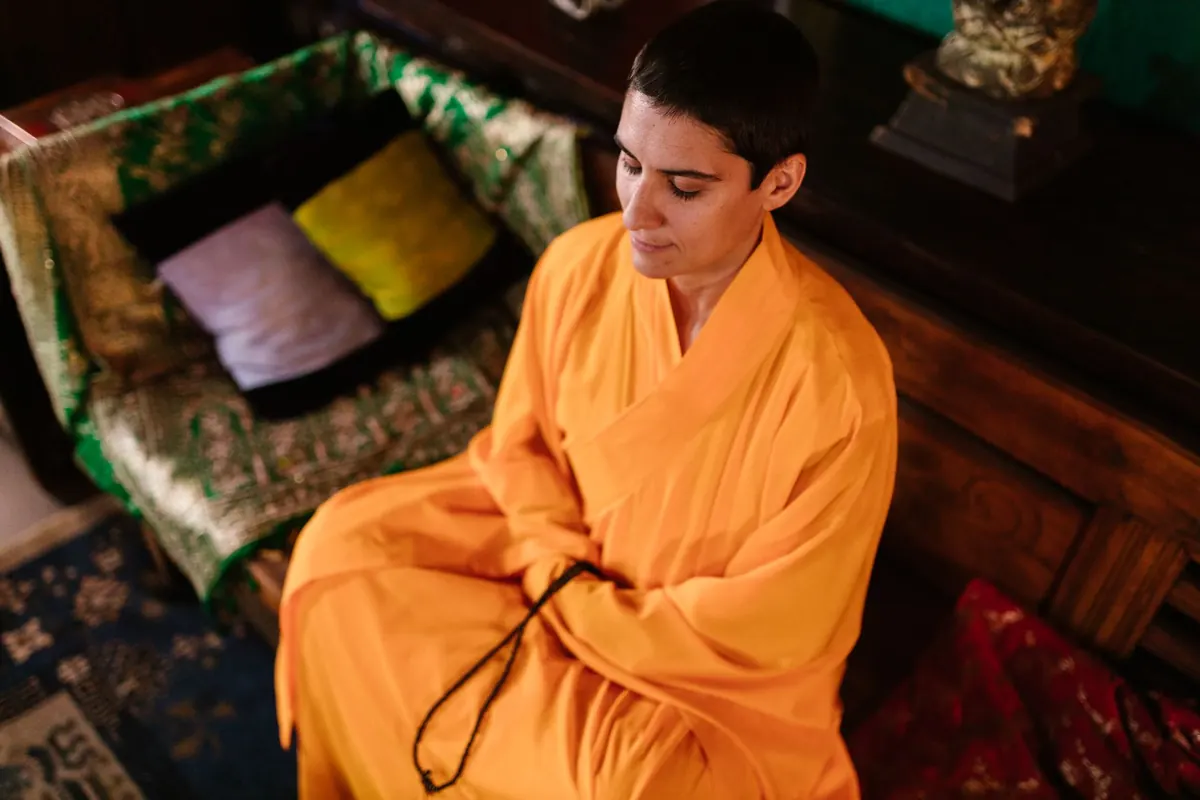
Five minutes of silence can feel like a long time when you are doing it on purpose. You sit down, set a timer, and almost immediately your mind produces a to-do list, a forgotten email, and a song you have not heard since 2011. That is not failure. That is the practice waking up.
Silent sitting is not about emptying your head. It is about staying with yourself, gently, for a short, repeatable stretch. Five minutes is enough to learn the rhythm. Here is how to begin without pressure, special equipment, or a candlelit room.
Why Five Minutes Works Better Than an Hour
Long sits look impressive in books. They are also a great way to convince yourself you are bad at meditation. Five minutes lowers the stakes. You can do it before your coffee cools, in your car before walking into work, or on the edge of your bed at night.
Because it is short, you are more likely to return tomorrow. Consistency matters more than duration when you are building a new habit. A daily five minutes teaches you a simple truth: you can pause, and the world keeps turning. Once that feels normal, you can add a minute or two. You do not have to.
Set Up Without Ceremony
Keep the setup boring. Boring is repeatable.
Posture: Comfortable and Alert
Sit on a chair with both feet on the floor, or on a cushion with your legs crossed. Let your hands rest wherever they land. Keep your spine upright but not rigid. If you lean back, you may drift toward sleep. If you perch forward, your back will complain. Aim for the posture of someone listening to a friend across a table.
Close your eyes or lower your gaze to a spot on the floor. Both are fine.
A Timer and a Spot
Use your phone timer or a kitchen timer. Set five minutes. Put the phone on silent and out of reach so you are not tempted to check it. Choose one place to sit each day: a chair in the corner, a cushion by the window, the end of the sofa. A fixed spot reduces decisions. You are not designing a meditation studio. You are making it easy to show up.
The Five-Minute Practice, Step by Step
Here is a simple sequence. Read it once, then try it without reading.
- Settle. Sit down. Take three slow breaths. Let the exhale be longer than the inhale.
- Notice where you feel the breath. It might be the cool air at your nostrils, the rise of your chest, or the movement of your belly. Pick one place.
- Stay with one breath at a time. No need to control it. Your breath is already happening. Your job is to notice it.
- When your mind wanders, return. You will wander, probably many times in five minutes. Each return is one repetition, like a bicep curl for attention.
- If you feel restless, name it. Say silently, “restless,” and come back to the next breath.
- When the timer rings, pause. Notice how you feel before you stand up. Then stand up slowly.
That is the whole thing. You do not need to add music, incense, or a spiritual goal. You are practicing presence, not perfection.
When Your Mind Won’t Settle
Some days your thoughts will be loud. You may replay a conversation, worry about a bill, or plan dinner. Treat these thoughts like traffic passing outside a window. You do not have to get in the car.
If silence feels impossible, try counting. Breathe in, count one. Breathe out, count two. Continue to ten, then start over. If you lose count, begin at one without commentary. Counting gives the thinking mind a small task while the rest of you settles.
You can also do a body scan. Start at the top of your head and move slowly down to your toes, noticing pressure, warmth, or tingling. You are not trying to relax. You are trying to feel. Relaxation often arrives on its own.
Three Common Fumbles
Fumble One: Chasing Silence
Silence is not the goal. Awareness is. If you spend five minutes frustrated by noise, you have still practiced noticing. The noise is not a problem to solve. It is part of the weather.
Fumble Two: Turning It Into a Performance
You do not need to sit perfectly, feel blissful, or have a breakthrough. If you miss a day, begin again. If you sit for three minutes instead of five, that counts. The habit grows through repetition, not intensity.
Fumble Three: Letting It Bloat
Five minutes can quietly become twenty minutes of scrolling before you sit, then a ten-minute debate about whether it is worth it. Protect the simplicity. Timer. Seat. Breath. Done.
A Week of Five-Minute Sits
Try this gentle schedule. Adjust it to your life.
- Day 1: Sit for five minutes. Notice what happens without judging it.
- Day 2: Same time, same spot. Count ten breaths.
- Day 3: Do a body scan from head to toes.
- Day 4: Focus on the exhale. Let the inhale take care of itself.
- Day 5: Sit with a difficult feeling. Name it once, then return to the breath.
- Day 6: Sit for five minutes and do nothing special. That is allowed.
- Day 7: Rest, or sit again if you want to. The point is choice, not a streak.
If you miss a day, pick up on the next day. A broken streak is not a broken practice.
A Short Closing Practice for Busy Days
Some mornings you will have five minutes. Some mornings you will have ninety seconds. Use what you have. Sit down, feel three breaths, and stand up. That still counts as silent sitting.
Before you go, decide when your five minutes will happen tomorrow. Put it next to something you already do: after you brush your teeth, before you open your laptop, after you park the car. Then keep the promise small. Over time, those five minutes become a quiet room you can visit anywhere.
Silent sitting is not a cure for a difficult life. It is a way to meet your life with a little more room. If you have a history of trauma, panic, or a mental health condition, consider working with a qualified teacher or therapist before making meditation a regular practice. This is general information, not medical advice.
Photo: RDNE Stock project / Pexels